
ICU Props Guide for Film and TV Production
Your Essential Guide to Intensive Care Unit Medical Scenes
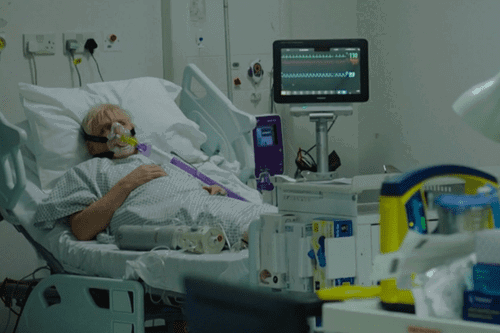
Intensive care unit (ICU) scenes demand absolute precision. The ICU is a highly specialised environment where every piece of equipment, every monitor beep, and every detail tells a story of life hanging in the balance.
From ventilators and infusion pumps to central lines and bedside monitors, the ICU is packed with complex medical technology that audiences expect to see working seamlessly together. Get it right, and you create powerful, emotionally resonant scenes.
Whether you’re filming post-surgical recovery, long-term ventilation, or the delicate balance of keeping critically ill patients alive, realism makes all the difference.
That’s where Medical Hire can help. This guide will help you understand which props you need and how to build a convincing ICU set.
Understanding When a Patient Would Be in ICU
Patients are admitted to intensive care when they require constant monitoring and life-support intervention. Common reasons include:
- Life-threatening injuries or severe trauma
- Major surgical procedures (post-operative care)
- Sepsis (severe infection)
- Stroke or heart attack
- Respiratory failure
- Multi-organ failure
The key element in any ICU scene is conveying life support and close monitoring. Patients cannot maintain vital bodily functions without mechanical assistance, and equipment continuously monitors and supports breathing, circulation, and organ function until recovery becomes possible.
ICU patients are typically connected to multiple machines, drips, and monitors. They’re often unconscious or heavily sedated for comfort, unable to communicate, and may look very different from their usual selves. This vulnerable state, surrounded by complex technology, creates the distinctive visual and emotional impact of ICU scenes.
Essential ICU Equipment
Room Dressing
First, start by planning the room’s basic layout, furniture and accessories. A solid foundation makes it easier to add the essential medical props and consumables that will make the scene convincing. For this, we recommend you consider the following;
Hospital bed and mattress – https://www.medicalhire.co.uk/product/linet-icu-bed/ – the foundation of any ICU bay
Medirail wall panel – wall-mounted medical gas and equipment rail
Wall light – examination and task lighting
Dressing trolley (double) – mobile storage for medical supplies
Observation trolley – storing patient observations and equipment
Crash resus trolley – with defibrillator
Overbed folder & patient notes or overbed clipboard – for displaying patient information
Grey plastic chair – for family or friends visiting patients
Sharps bin – safe disposal of needles and sharp instruments
Clinical waste bin – for contaminated medical waste
Overbed table – adjustable table for patient meals and activities
Disposable gloves – essential PPE for patient care
Wall-mounted Name Panel – displays patient and staff information
Sink Display Unit – hand hygiene station
Intensive care sign – identification signage found within the hospital
Respiratory Support
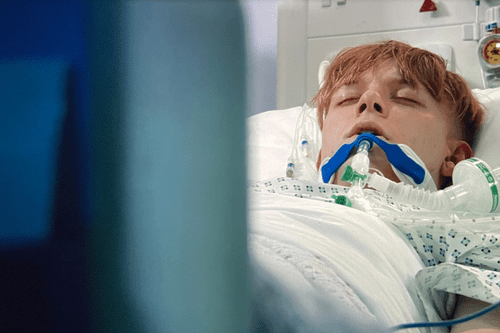
Most ICU patients require breathing assistance through various masks and tubes connected to their face. These visible respiratory devices create a powerful visual that immediately conveys the severity of the patient’s condition.
Ventilator – mechanically breathes for patients who can’t do it themselves
High-flow oxygen therapy – delivers warmed, humidified oxygen at high flow rates
ET tube and ET tube holder – flexible tube which helps the patient breathe
Closed Suction Tube – connects to the ventilator circuit to clear airway secretions
Monitoring Equipment
Monitoring equipment tracks patients’ vital signs continuously. The screens, sensors, and wires attached to patients create the characteristic ICU environment of constant surveillance and real-time data (which we can simulate for you).
Patient bedside monitor – displays heart rate, blood pressure, oxygen levels, and vital signs
Cannula and dressing – provides continuous blood pressure monitoring and blood sampling
Intravenous Access and Medication Delivery
Critically ill patients need constant medication and fluid delivery through various intravenous access points. The network of IV lines, programmable pumps, and drip stands surrounding the bed creates a complex, but essential system that keeps a patient stable.
Central venous line (central line) – delivers medications, fluids, and nutrition through large veins
Infusion pumps and space station – delivers precise doses of medications through IV lines
IV lines – multiple peripheral or central lines delivering different medications or fluids simultaneously
Drip stands – support IV bags and infusion equipment
Nutrition & Feeding Support
Feeding tubes taped to the patient’s face or emerging from the abdomen create another striking visual element. These tubes connect to feeding pumps that steadily deliver nutrition to patients unable to eat on their own.
Feeding pumps – regulate delivery of liquid nutrition through feeding tubes
NG tube (nasogastric tube) and tube holder provides nutrition and medication through the nose to the stomach
Drainage and Elimination
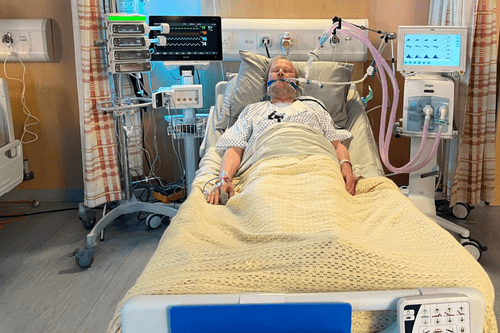
Drainage tubes and collection bags attached to the patient create another layer of medical equipment around the bed. These systems continuously remove and measure fluids, offering visible evidence of the body’s functions and recovery progress.
Urine bag and catheter – drains and measures urine output to monitor kidney function
Surgical drains – removes excess blood, fluid, or air from wound sites
Patient Details
ID wristbands are the finishing touches for authentic ICU patient portrayal. These recognisable items instantly communicate the medical setting to viewers.
Personalised hospital ID wristbands – patient identification wristbands
Medical Hire provides authentic ICU equipment and expert guidance to ensure your intensive care scenes achieve the realism that makes great television and film.
You can browse our full range of intensive care unit props here or get in touch to discuss your production needs. We would love to help bring your story to life.
Call us on 0113 262 8000
Or email: info@medicalhire.co.uk